When we work with young people preparing to enter employment, one pattern shows up time and again. The ones who struggle are rarely short on knowledge. They’re short on the tools that help them function inside a real working environment — and that’s where soft skills in the workplace become the deciding factor between getting a job and actually growing in one.
This is not just our observation. Recruiters across sectors — manufacturing, retail, healthcare, IT, and community services — consistently say the same thing: technical qualifications open the door, but interpersonal skills determine how far someone walks through it. And yet, soft skills rarely get the structured attention they deserve in most training programmes.
We believe that needs to change. Here’s why it matters — and what it actually looks like in practice.
Table of Contents
What “soft skills in the workplace” actually means
The phrase gets used a lot, often loosely. So it’s worth being specific about what we mean when we talk about soft skills in the workplace — because understanding them clearly is the first step to building them.
Soft skills, sometimes called employability skills or interpersonal skills, are the personal qualities that shape how someone works alongside others, handles responsibility, and responds when things don’t go to plan. Unlike technical skills — which are tied to a specific task or industry — soft skills travel with a person through every role they ever hold.
- Clear communication: Speaking, listening, and writing in ways that are easy to understand and respectful in tone
- Teamwork: Cooperating with colleagues, sharing credit, and working through disagreements constructively
- Adaptability: Staying functional when priorities shift, processes change, or situations are unclear
- Accountability: Following through on commitments, owning mistakes, and not requiring constant supervision
- Emotional intelligence: Reading the room, managing reactions, and responding to others with patience and empathy
- Problem-solving: Thinking through obstacles calmly rather than escalating or shutting down
None of these are fixed personality traits. All of them can be developed — through practice, through feedback, through being placed in situations that stretch what someone already knows.
Why employers keep coming back to this conversation
There’s a gap that most vocational training programmes don’t fully address — and employers feel it sharply. A candidate walks in with the right certificate, passes a technical test, and then struggles through the interview because they can’t explain what they did in a previous group project. Or they get hired, and within three months a supervisor is flagging issues not with their technical output, but with how they respond to feedback.
This isn’t a failure of intelligence. It’s a gap in preparation.
Workplace communication is one of the most concrete examples. Being able to communicate clearly — whether you’re asking a supervisor a question, explaining a problem to a colleague, or sending a professional message — affects everything downstream. Misunderstandings slow projects down. Unclear instructions create errors. Poor communication between teams quietly erodes trust over months.
Teamwork is another area where the gap shows up consistently. Most real work environments involve collaboration — handoffs between people, shared accountability, joint problem-solving. Someone who has never been put in a structured group setting, asked to reach a decision together, or had to navigate a disagreement without walking away, is entering those situations unprepared.
A simple way to think about it: Technical skills help someone perform a task. Soft skills in the workplace determine how well they perform within a system — and whether that system continues to trust them over time.
The connection to long-term career growth
Entry-level employment and sustained career development are two different conversations. Getting hired requires demonstrating basic competence. Growing — getting more responsibility, earning trust, eventually moving into leadership — requires something else entirely.
Promotions rarely go to the person who scores highest on a technical assessment. They tend to go to the person who other people want to work with, who managers feel they can rely on, and who handles difficult situations without creating more problems than they solve. That’s professional development in its most practical form, and it’s built almost entirely on soft skills.
For young people we work with — many of whom are entering formal employment for the first time — understanding this early is genuinely valuable. It changes the perspective from asking “how do I get a job?” to “how do I build a career?” And that shift in thinking changes what someone pays attention to during training.

How the changing nature of work makes this even more relevant
Automation is handling an increasing share of repetitive, process-driven tasks. That’s not a threat to be afraid of — it’s a reality to understand clearly. What it means, in practical terms, is that the value of human-centered skills is rising.
Machines process data efficiently. They don’t build trust, navigate conflict, or notice when a colleague is struggling. Emotional intelligence — knowing how to read a situation, respond with patience, and work through difficulty with another person — remains firmly human territory.
The rise of remote work has added further complexity to this. When teams communicate across screens and time zones, the margin for misunderstanding is higher. Written communication needs to be clearer. Patience matters more. The ability to collaborate without being physically present becomes a real professional skill, not a soft one in the dismissive sense of the word.
All of this reinforces why building soft skills in the workplace should be treated as core curriculum — not an optional add-on at the end of a training programme.
Bridging the gap — what good training actually looks like
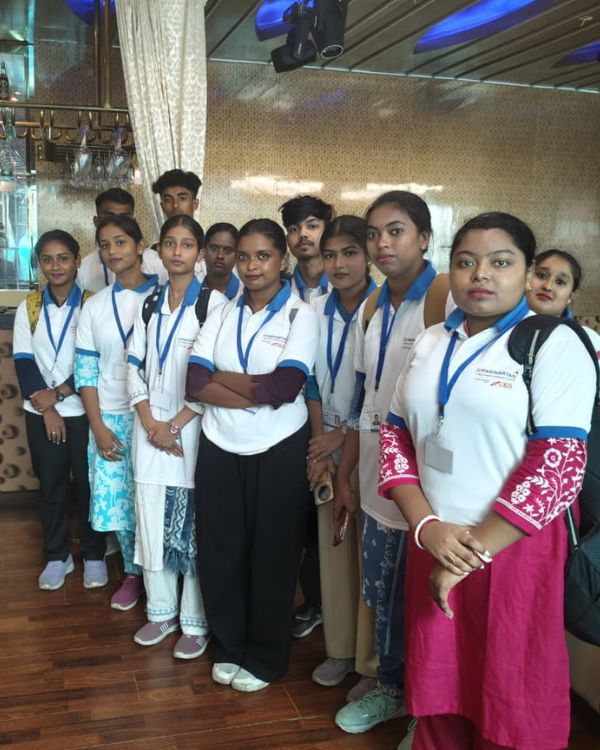
Many young people complete technical or vocational courses with genuine competence and real enthusiasm — and then find the transition into employment harder than expected. The challenge is usually not what they know. It’s that they’ve never practiced walking into a formal environment, speaking confidently about their work, or handling the kinds of interpersonal situations that come up in every job.
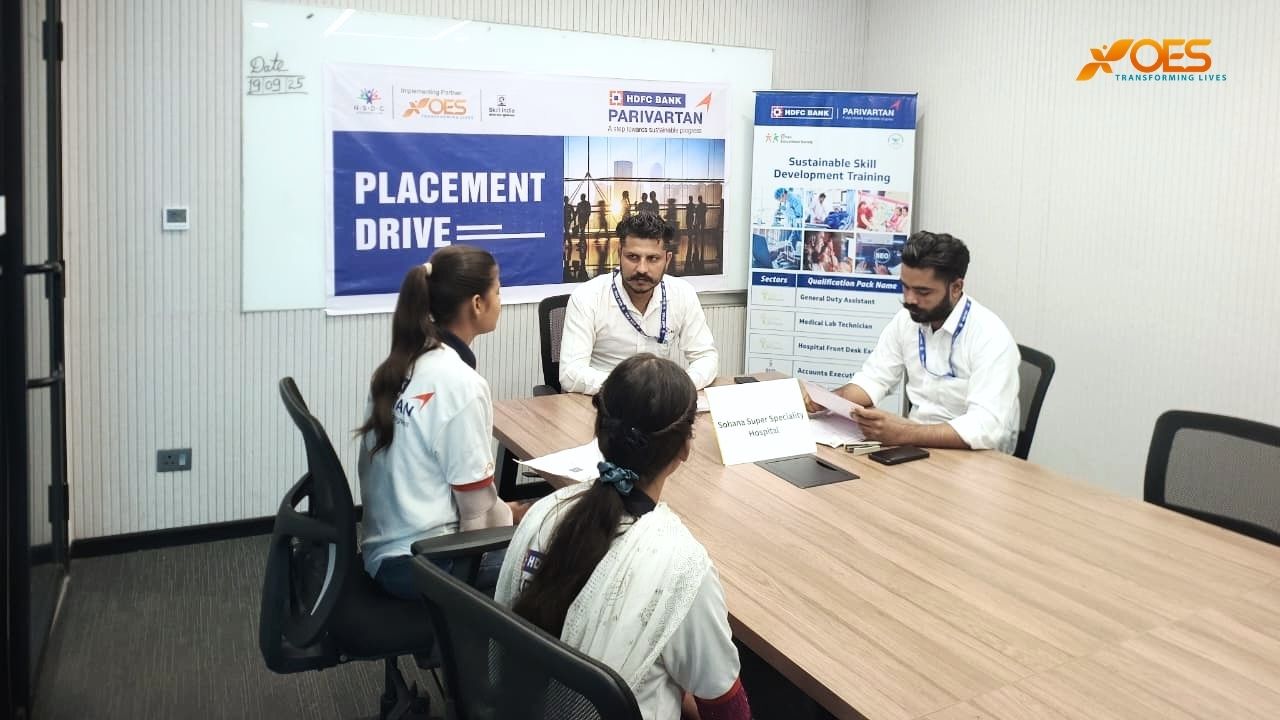
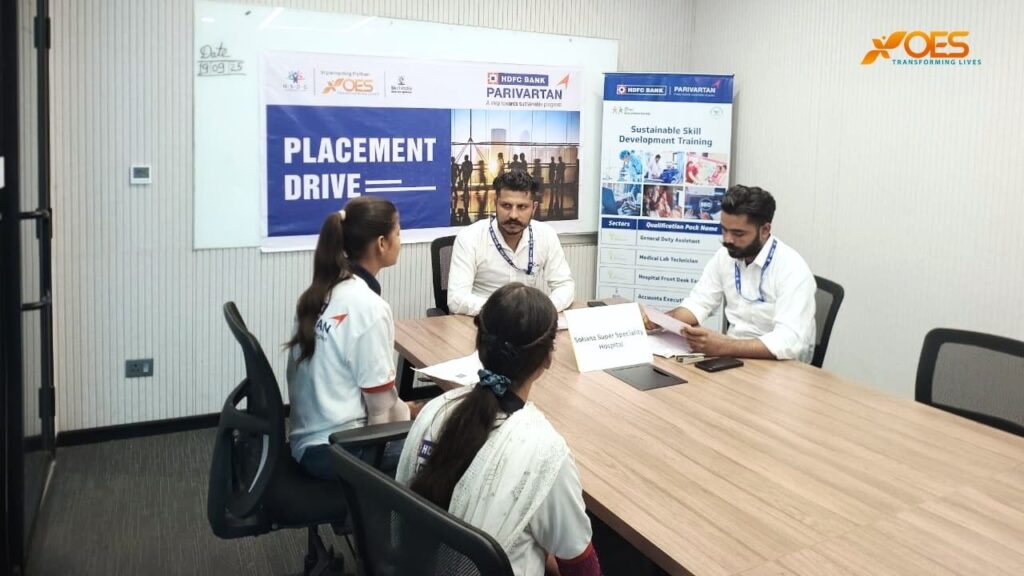
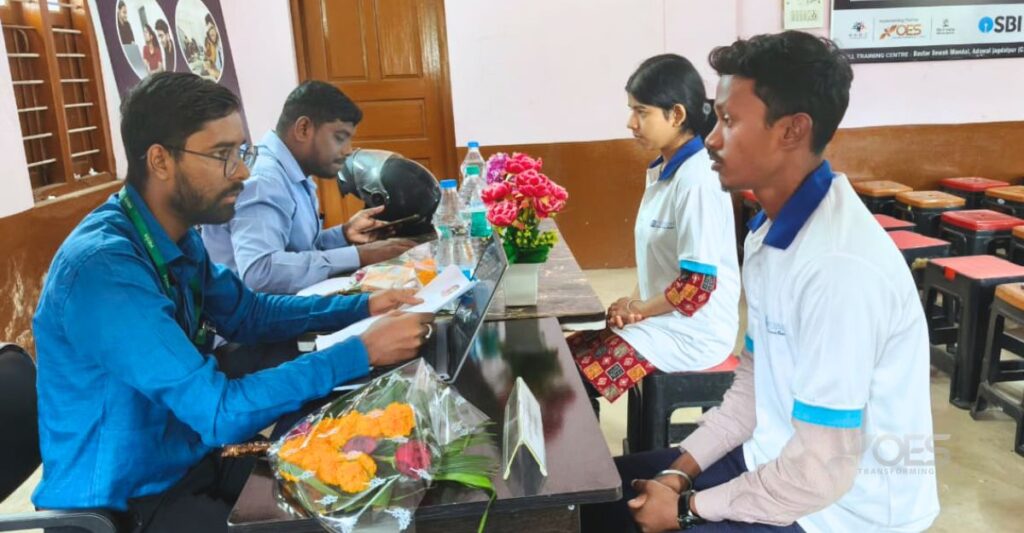
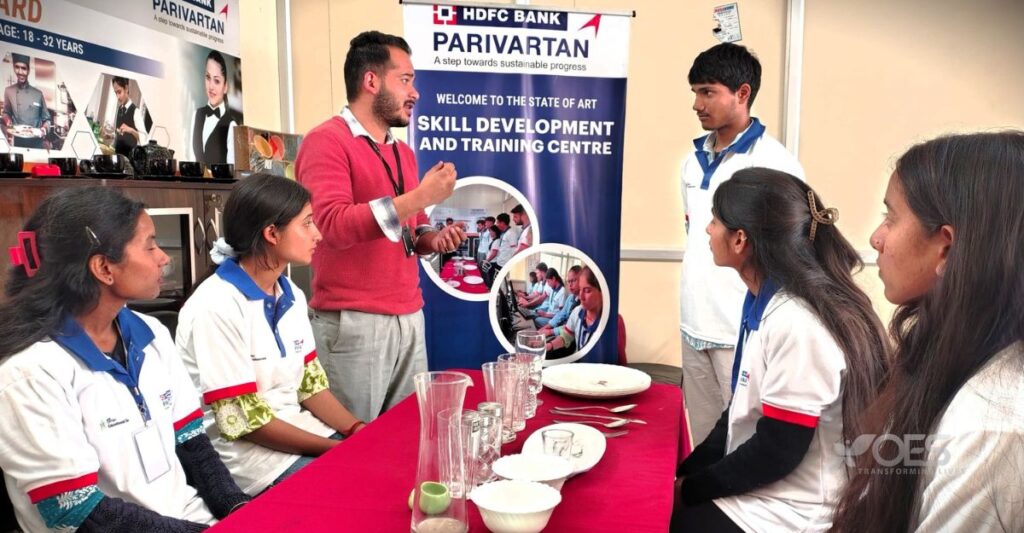
Structured exposure helps close that gap. Mock interviews, group discussions, role-play scenarios based on real workplace situations, and one-on-one mentorship conversations all give people a chance to practice before the stakes are real. When someone has already navigated a difficult conversation in a safe setting, they’re far less likely to freeze when it happens at work.
For organisations working with youth from first-generation or underserved backgrounds, this kind of preparation is not secondary support — it’s central to what we do. Confidence doesn’t come from being told you’re capable. It comes from doing things, learning from them, and doing them better the next time.
Building soft skills in the workplace: what actually works day to day
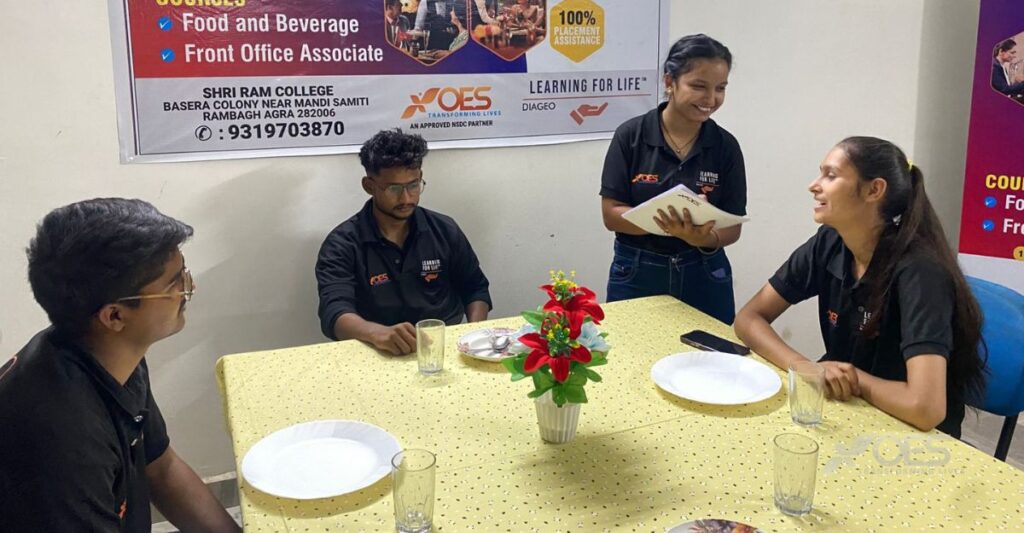
The good news is that soft skills don’t require expensive resources or complicated programmes to develop. They grow through consistent, intentional practice in ordinary situations.
Participation in community activities — group projects, volunteer work, peer-led initiatives — builds leadership and teamwork in contexts that feel real rather than manufactured. Seeking feedback from trainers and supervisors, and actually reflecting on what was said instead of brushing past it, builds self-awareness faster than almost anything else.
Regular opportunities to speak — in small groups, in presentations, in structured discussions — gradually build communication confidence. Observing how professional environments function: how decisions get made, how conflict gets handled, how accountability is maintained — gives people a frame of reference before they’re in those situations themselves.
None of this is complicated. But it requires intention, and it requires being built into training rather than left to chance.
What this means for our work
For many of the young people we support, employment represents something much larger than income. It’s about dignity, stability, and the ability to contribute — to family, to community, to themselves. Getting a job matters. Keeping it and growing within it matters even more.
We’ve seen what happens when young people enter work equipped with both technical competence and the interpersonal skills to function in a real team. They communicate more clearly with supervisors. They handle feedback without shutting down. They build professional relationships that support them over the long term. They stay.
And we’ve seen what happens when that second layer is missing — when someone technically qualified still struggles to navigate the human side of work. he gap is undeniable, yet entirely fixable.
By treating soft skills in the workplace as a core part of how we prepare young people — not a supplement, not a bonus module — we’re investing in outcomes that go beyond the first job. We’re building professionals who are ready to grow, lead, and contribute at every stage of their working lives.
That’s the kind of development worth getting right.