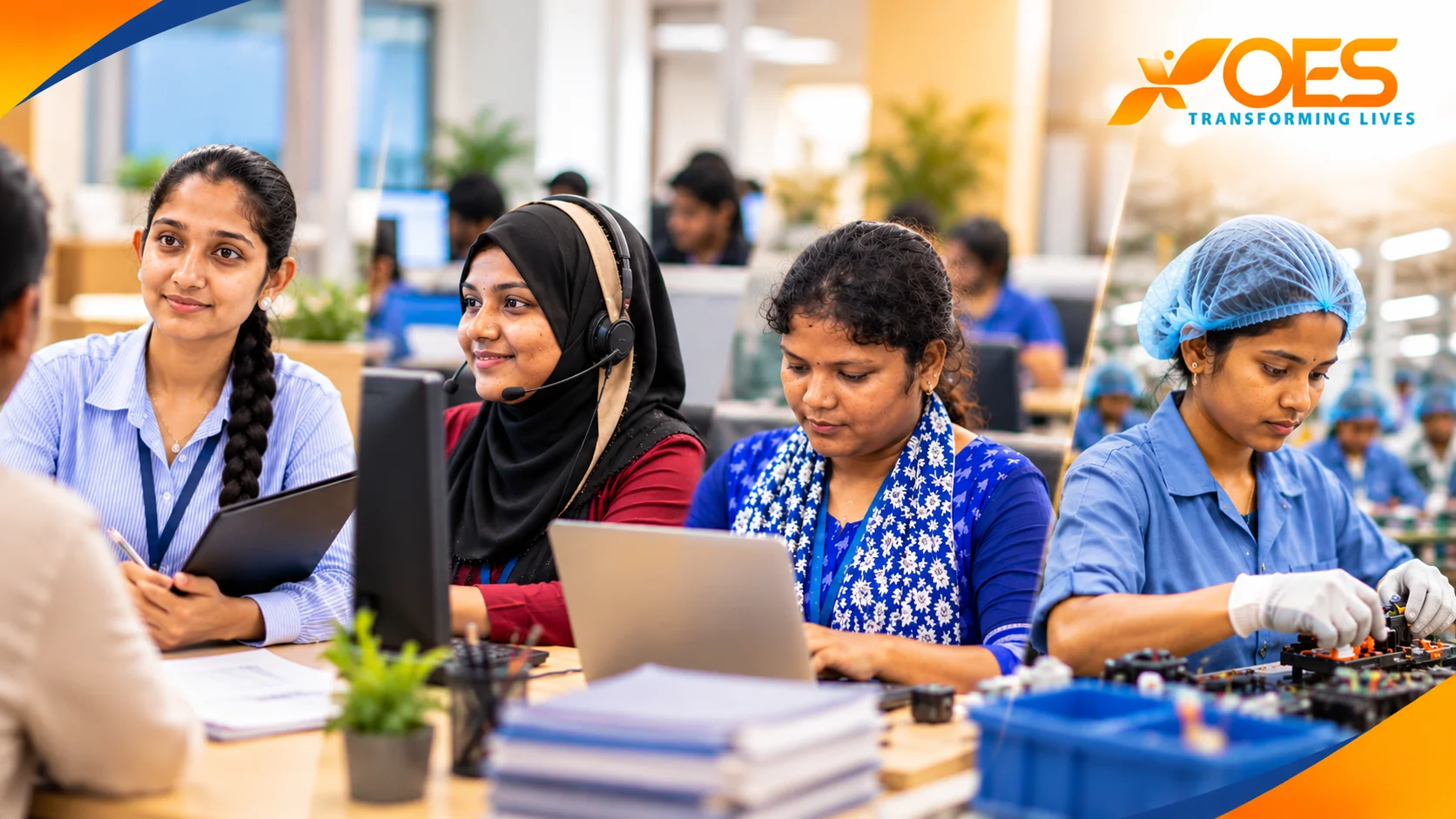
Shasmita Swain grew up in a community where a woman’s place was understood to be the kitchen or low-paid daily labour. Today she is a Relationship Manager at Shriram Finance Limited, earning ₹25,615 every month.
Digeswari came from a farming family of seven in Chhattisgarh, surviving on a combined household income of roughly ₹40,000 a year. Her monthly salary now exceeds that figure — on its own.
Bharati Munda wanted to prove that women from her background could succeed in professional environments. She was placed at LUPIN Limited as a Data Entry Operator, earning ₹20,000 a month, after completing her training at a Tata Power community skill centre.
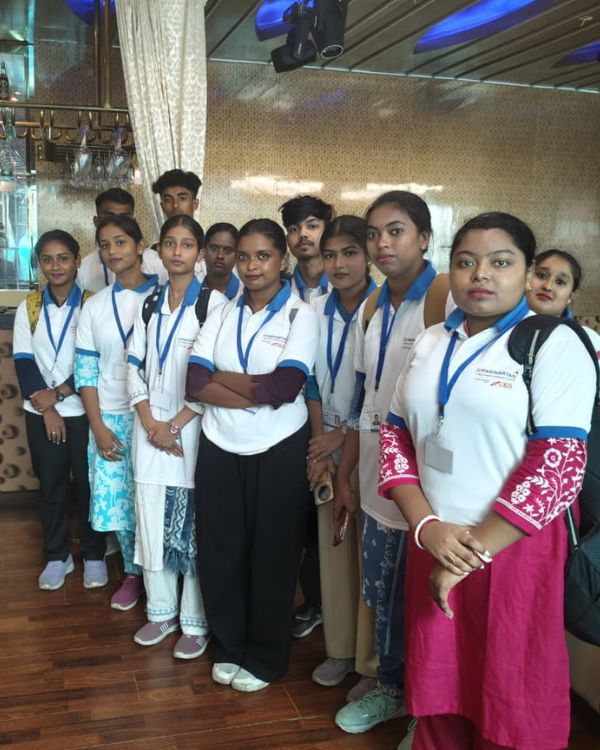
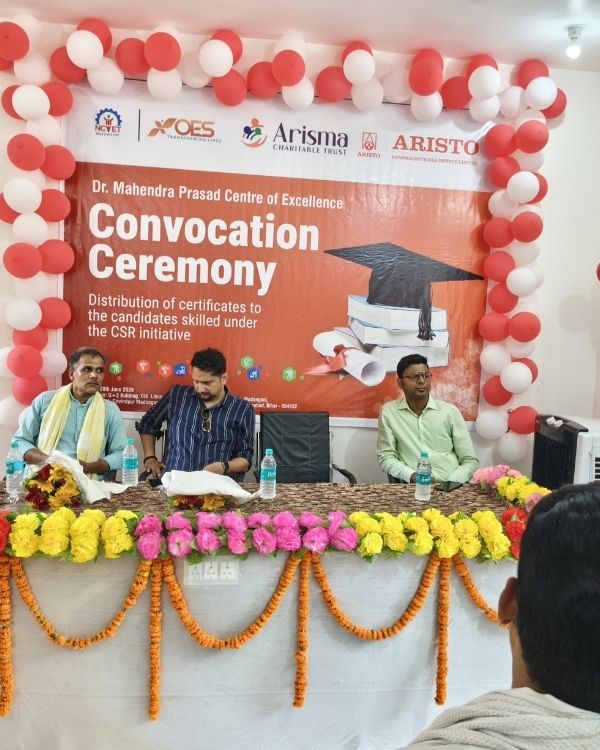
These are not exceptional stories. Across Orion Educational Society’s network of more than 100 training centres spanning 29 states, they are the expected outcome of programmes designed to convert potential into employment — one woman, one skill, one placement at a time.
India’s female Labour Force Participation Rate rose from 33.9% in 2022 to 40% in 2025, according to the PLFS Annual Report 2025. That is genuine, measurable progress. But the same data reveals that 73.8% of women reported receiving no formal vocational or technical training — nearly 20 percentage points behind men. More women are ready to work than at any point in recent history. The barrier is not willingness. It is access to structured, credible, placement-linked training that converts willingness into a salary slip.
This article documents five career paths where that conversion is happening — through the real experiences of ten women whose lives changed after they walked into an OES training centre.
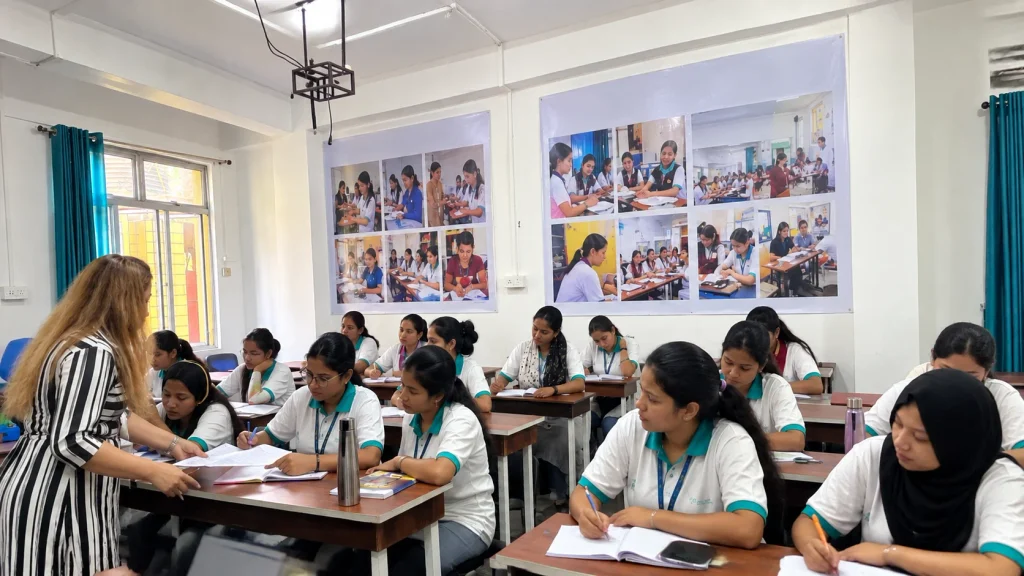
Table of Contents
The Barriers That Skill Training Must Clear First
Before the stories, one honest section.
Rural women in India do not face a single barrier to employment. They face a layered system of obstacles that reinforce each other. Understanding these barriers is not pessimism — it is the starting point for designing programmes that actually work.
The PLFS 2023-24 data found that nearly 58% of women’s non-participation in the workforce is attributed to household responsibilities — 23.1% due to childcare and 34.9% due to other domestic duties. Only 1% of men face similar constraints. This is not a personal choice. It is a structural reality that any effective skill training programme must accommodate rather than ignore.
Beyond unpaid work, rural women face distance to training centres that makes daily travel impractical or unsafe; family permission that is withheld when training locations are unfamiliar; the absence of female trainers and role models in non-farm occupations; and a lifelong absence from formal work environments that makes the first day at a professional job genuinely disorienting.
The programmes that produce outcomes like Shasmita’s and Digeswari’s are the ones built around these realities — centres located within communities rather than in distant district headquarters; family engagement built into the programme design; soft skills and workplace readiness taught alongside technical content; and post-placement support that does not end the day a trainee signs an offer letter.
The ten women whose stories follow are evidence of what that design produces.
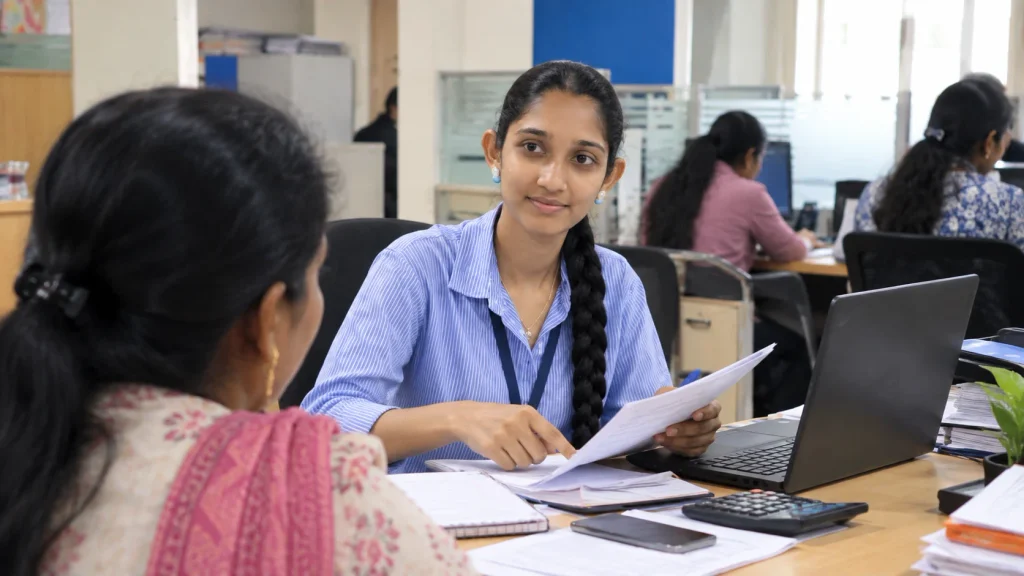
Career Path 1 — Microfinance and Financial Services
Shasmita Swain | Relationship Manager, Shriram Finance Ltd. | ₹25,615/month
Shasmita belonged to a community where professional ambition in women was not encouraged — it was quietly discouraged. The women around her worked in fields or at home. The idea that she might one day sit across a desk from clients, explain financial products, and manage professional relationships was not something her immediate world had room for.
She enrolled in the Micro Finance Executive course under the SBI Foundation’s LEAP: Skilling for Future programme at Jagdalpur, implemented by OES. The course covered how financial products work, credit basics, client communication, and the professional conduct that formal financial roles demand.
The training gave her something beyond a qualification. It gave her a language — the language of professional confidence.
Today she is a Relationship Manager at Shriram Finance Limited.
“My family doesn’t just see me as a daughter anymore — they see me as their strength.”
That sentence carries more evidence of genuine impact than any placement statistic can.
Microfinance and BFSI are particularly strong career paths for rural women because they are community-facing roles. A female relationship manager builds trust with clients — especially female clients — in ways that many male colleagues in the same role cannot replicate. As India’s financial services sector expands into Tier 2 and Tier 3 towns through digital banking and microfinance institutions, demand for trained, community-rooted female professionals in these roles continues to grow.
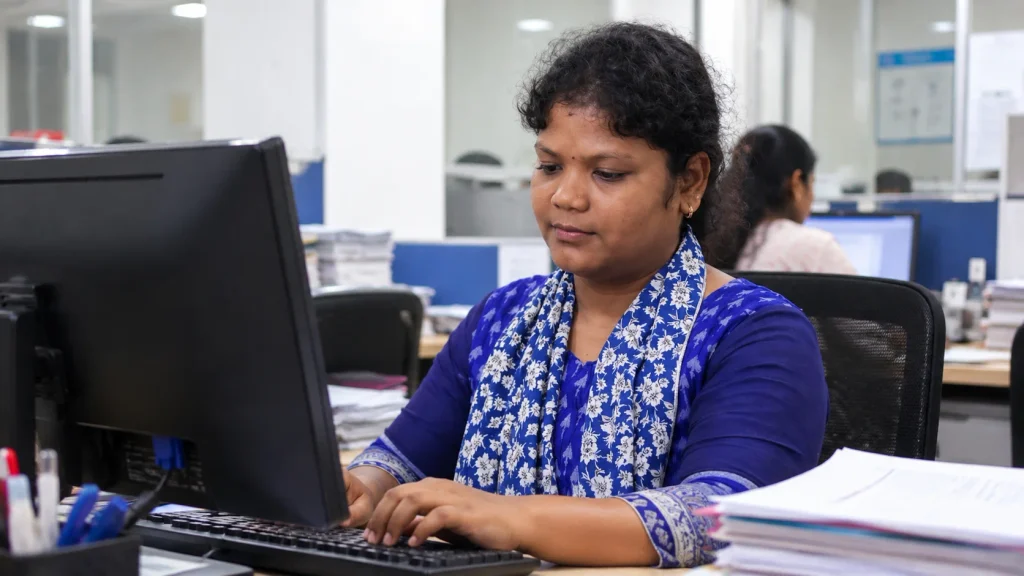
Career Path 2 — Corporate Administration and Data
Bharati Munda | Data Entry Operator, LUPIN Limited | ₹20,000/month
Bharati’s family was under constant financial pressure. The work available to her was irregular and poorly paid — enough to survive, not enough to change anything. She carried a quiet question about whether someone from her background could manage a corporate role.
She wanted to find out.
She completed the Customer Care Executive course at the Tata Power Western Odisha Distribution Limited (TPWODL) Sambalpur centre, implemented in association with OES. The programme covered communication skills, data handling, workplace discipline — the practical competencies that professional environments require and that no amount of informal work experience alone provides.
She was placed at LUPIN Limited as a Data Entry Operator, earning ₹20,000 per month.
“Training gave me confidence to work in a company. I am grateful for the support and motivation.”
Bharati’s placement at a pharmaceutical company of LUPIN’s size is significant beyond the salary. It demonstrates that NCVET-aligned vocational training, delivered through a credible implementing organisation, produces candidates that large, compliance-conscious employers are willing to hire and retain.
Corporate administration and data roles offer some of the highest retention rates for first-generation female workers. Hours are predictable, environments are structured, and progression from data entry toward executive functions follows a clear pathway that rewards consistency over time.
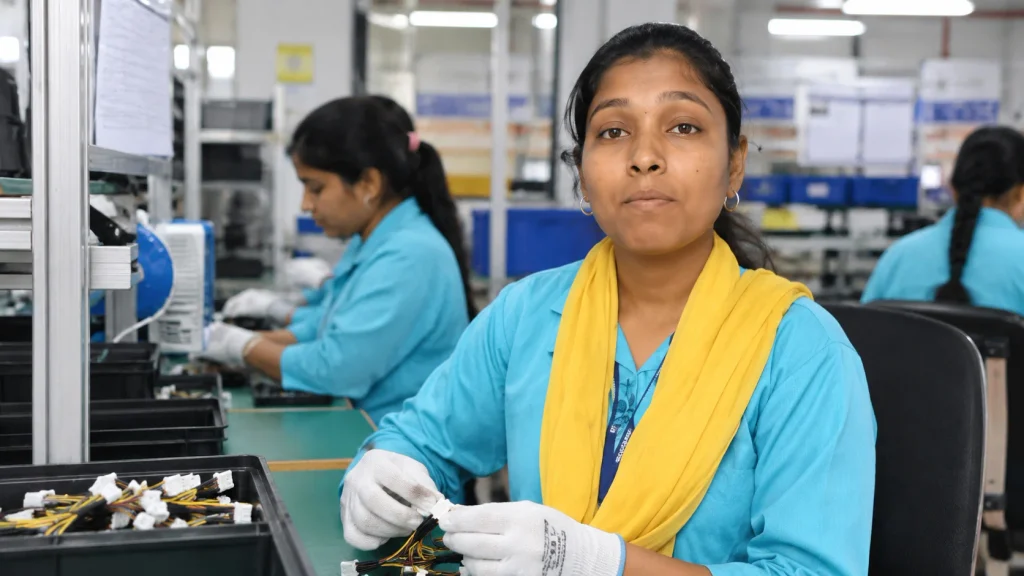
Career Path 3 — Manufacturing and Industrial Assembly
Digeswari | Line Assembly, Motherson Sumi Ltd. | ₹23,624/month
Seven people. One farming family. A combined annual household income of approximately ₹40,000.
Digeswari grew up inside that arithmetic. She understood scarcity not as an abstract idea but as a daily calculation — what the family could and could not afford.
She trained in line assembly operations at the Nuvo Mason Baloda Bazar Skill Training Centre, run in collaboration with OES and supported by Nuvoco Vistas Corporation. The training covered assembly line procedures, quality control, workplace safety, and the production discipline that manufacturing employers require.
She was placed at Motherson Sumi Limited — one of India’s largest automotive component manufacturers — earning ₹23,624 per month.
Her salary alone now exceeds what her entire family earned in a year.
“Today I stand as proof that with hard work, determination, and the right support, dreams are achievable.”
Manufacturing is an underappreciated career path for rural women, and that is beginning to change. NITI Aayog’s research on non-traditional livelihoods for women also identifies manufacturing and MSMEs as important areas for expanding women’s employment.
India’s production expansion under PLI schemes is generating sustained demand for trained assembly and line workers. Crucially, many industrial facilities are located outside major metros — closer to where rural communities actually live. Digeswari did not need to migrate. The opportunity came to where she was.
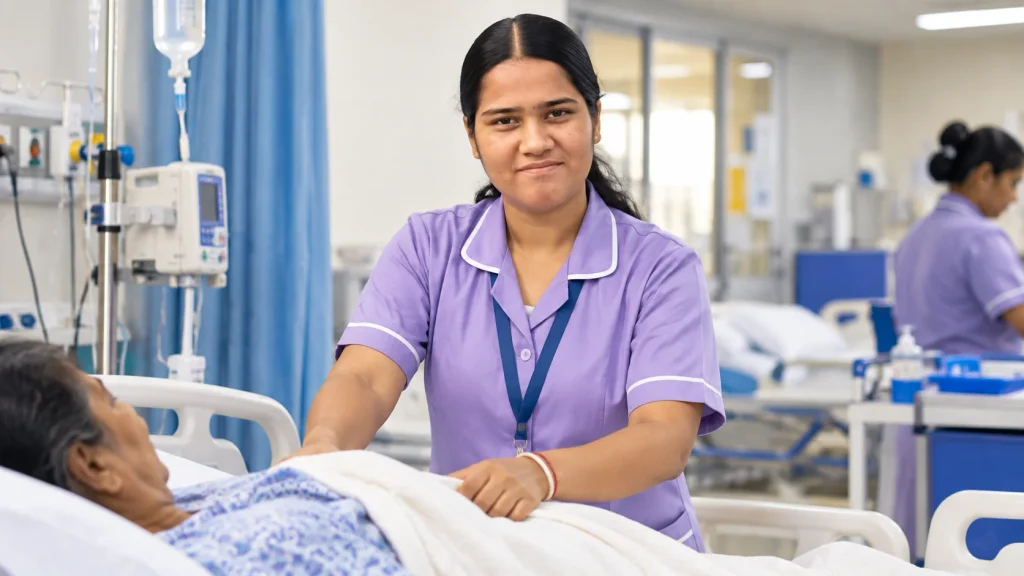
Career Path 4 — Healthcare Support
Simranjeet Kaur | General Duty Assistant, Paras Hospital | ₹12,000/month
Simranjeet completed the General Duty Assistant course at the HDFC Bank Parivartan Mohali Centre, implemented by OES. She now works at Paras Hospital — a multi-speciality institution — in a patient-facing role that requires both technical competence and consistent interpersonal reliability.
Healthcare is one of the fastest-growing employment sectors in India, and it carries a specific dynamic for female workers. Demand for women in patient-facing roles is structurally stable. Female patients — particularly in conservative communities — show a strong preference for female healthcare workers. That preference creates sustained hiring demand and, importantly, retention that is not dependent on market fluctuations.
From the Navaranta Skill Centre in Paradeep, Uma Das completed a customer support course and joined Tatwa Technologies as a Customer Support Associate with responsibilities as a Junior Software Developer — showing how healthcare-adjacent digital skills can open pathways that cross traditional sector lines.
The General Duty Assistant pathway offers clear upward progression — from GDA to nursing assistant, ward coordinator, and into specialised patient care — for women who want to build a long-term career rather than treat their first placement as a ceiling.
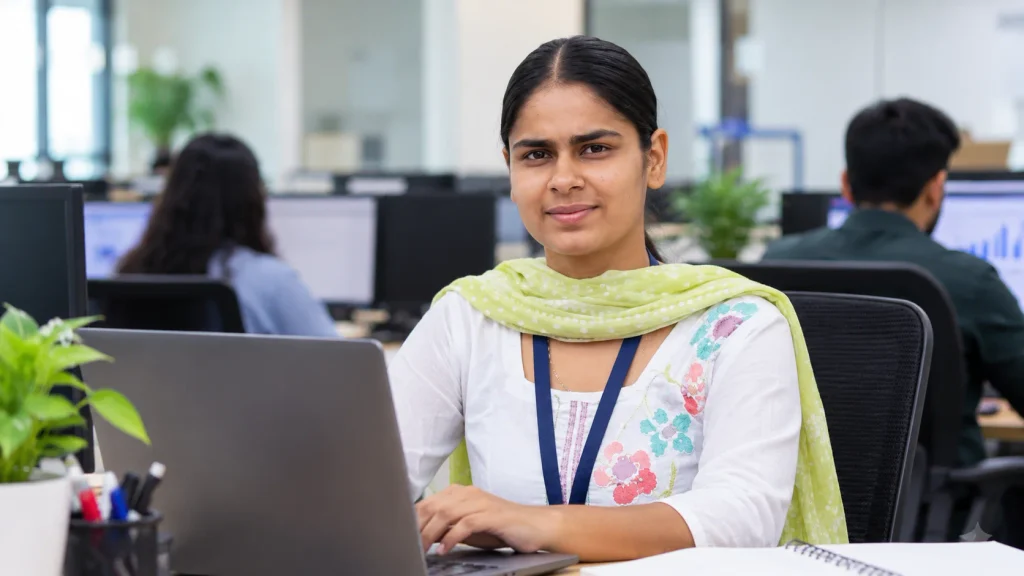
Career Path 5 — Digital Skills, IT, and Retail
Kamna Saini | Executive Engineer, Vertex Infosoft Solutions | ₹17,600/month
Mousumi Das | Retail Store Associate, Reliance Smart Point, Joka
The same foundation. Two completely different destinations.
Kamna Saini completed a Search Engine Marketing course at the HDFC Bank Parivartan Mohali Centre, implemented by OES. She is now an Executive Engineer at Vertex Infosoft Solutions, earning ₹17,600 per month. A woman from a non-technical background, trained in digital marketing through a CSR-funded community programme, now holds an engineering designation at a technology company.
Mousumi Das completed a Basic Computer course through OES and secured placement as a Retail Store Associate at Reliance Smart Point in Joka. Digital literacy was her entry point — not into a tech firm, but into organised retail, which increasingly requires staff to process digital transactions, manage inventory systems, and communicate through digital platforms.
Same foundation. One went into technology. One went into retail. Both are in formal, stable employment with documented salaries, employer contracts, and career trajectories that did not exist before they joined an OES programme.
This is why digital skills function as a multiplier rather than a standalone path. They amplify the value of every other competency a woman has. They open employment and self-employment options simultaneously. And they are increasingly the baseline that separates candidates employers shortlist from those they do not consider.
The Economic Survey 2025–26 specifically called for targeted skill development to raise women’s workforce participation — citing digital access, mobility, and formal training as the primary levers. Kamna and Mousumi are what that recommendation looks like in practice.
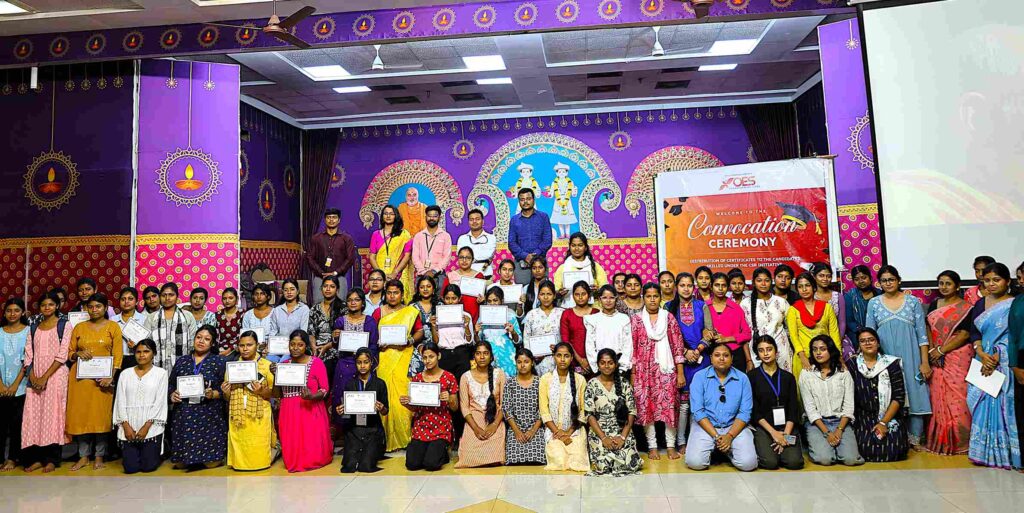
The Broader Pattern: More Women, More Sectors
Five career paths. Ten women. But the pattern extends further.
Puja Naik is now an HR Manager at La-Paz Gardens Beacon Hotel — an employer who specifically cites OES candidates’ industry readiness as the reason for their continued hiring partnership. Swagata Ghosh completed the Front Office Associate course and is now a Front Office Coordinator at Pacific Engineers. Udumula Ashwini holds a Front Office Associate position at Sri Sai Balaji Associate.
Three women. Three management and coordination placements. Each one demonstrating that hospitality and corporate services — often overlooked in discussions of women’s skill development — are producing stable, dignified employment for trained women who previously had no pathway into these roles.
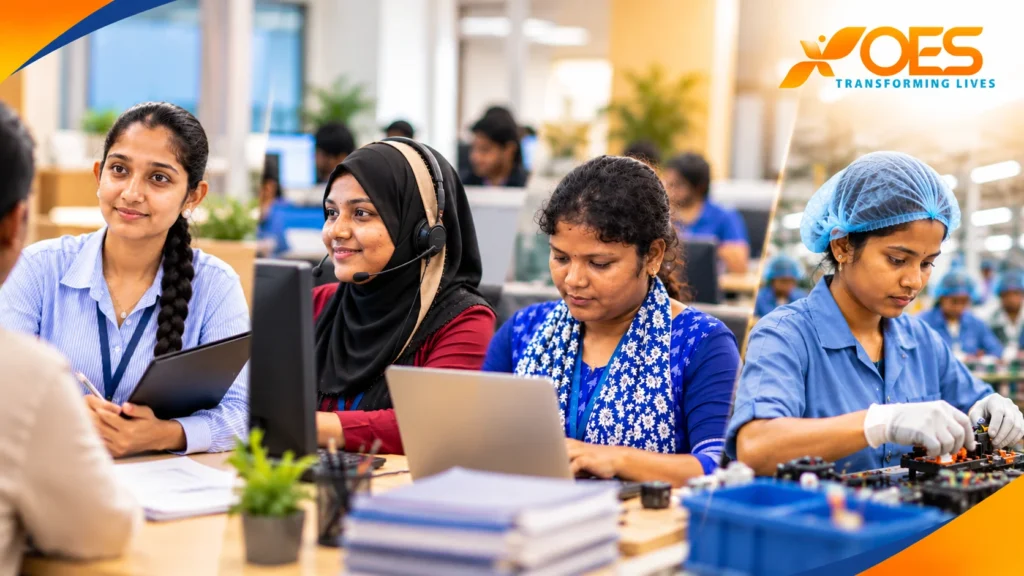
Across all ten stories, two things are consistent. Training was delivered through OES centres embedded within or near the communities these women came from. And the employers — LUPIN, Motherson Sumi, Shriram Finance, Paras Hospital, Reliance, Vertex Infosoft, Tata Power — are named, verifiable, national and multinational organisations that hired these women based on certified competencies, not charity.
That is not goodwill. That is a functioning labour market pathway.
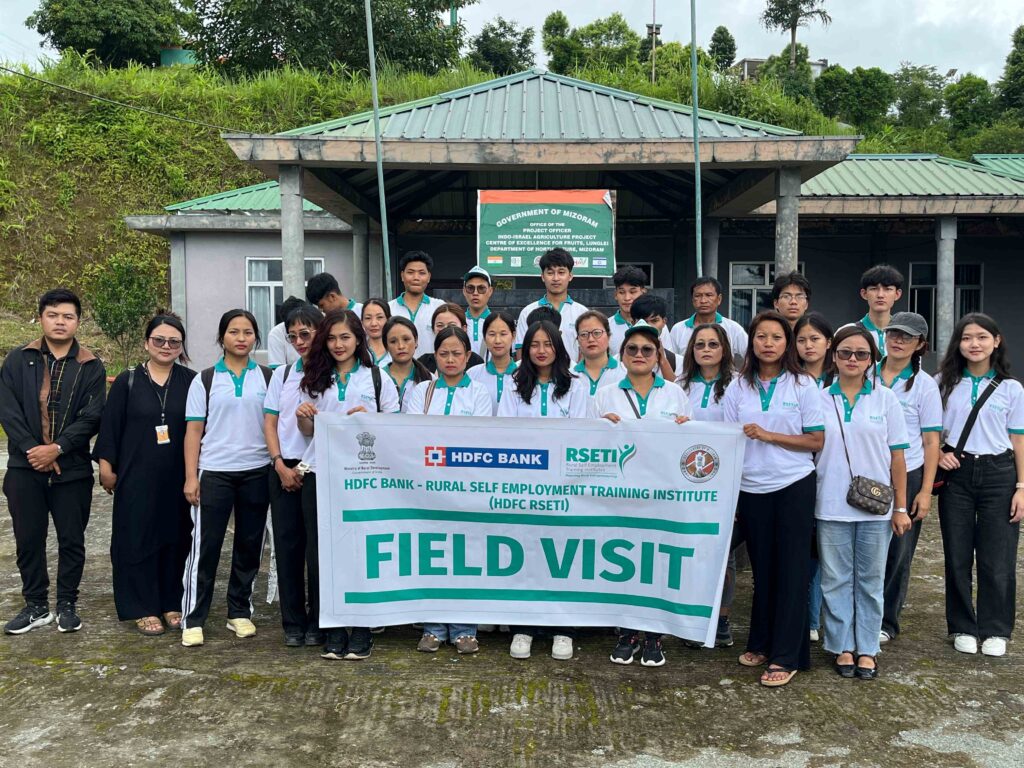
What Makes Women’s Skill Training Work: 18 Years of Field Evidence
The ten stories above did not happen by accident.
They happened because the programmes that produced them were designed around what rural women’s lives actually look like — not around what is convenient for a training provider to deliver.
Across OES’s 18 years of field operations, the design elements that consistently produce employment retention among women are:
- Centre proximity. Jagdalpur, Sambalpur, Baloda Bazar, Mohali, Paradeep, Joka — none of these are metro cities. They are the towns and districts where these women live. A training centre that requires more than a short commute effectively does not exist for a woman without independent mobility or family permission to travel far from home.
- Employer relationships built before training begins. Every placement in this article — LUPIN, Motherson Sumi, Shriram Finance, Paras Hospital, Reliance, Vertex Infosoft — was a relationship OES established with employers before the training batch was enrolled. The curriculum was shaped around what those employers actually needed. That is why placement rates hold.
- Soft skills as a core component, not an afterthought. Bharati needed more than data entry skills. She needed the confidence to walk into a LUPIN office on her first day and belong there. Shasmita needed professional communication as much as she needed to understand microfinance products. Every OES programme integrates workplace conduct, communication, and professional readiness alongside technical content.
- Post-placement follow-up. The first 90 days of employment carry the highest dropout risk for first-generation female workers. OES maintains contact with placed candidates — check-ins, counselling where needed, employer mediation when adjustment challenges arise. This is what separates a placement statistic from a sustained livelihood.
- CSR partnerships that fund depth. SBI Foundation’s LEAP programme, HDFC Bank Parivartan, Nuvoco, TPWODL — each of these partnerships funded programmes designed around verified employer demand and community proximity. The quality of the CSR partnership directly determines the quality of the outcome.
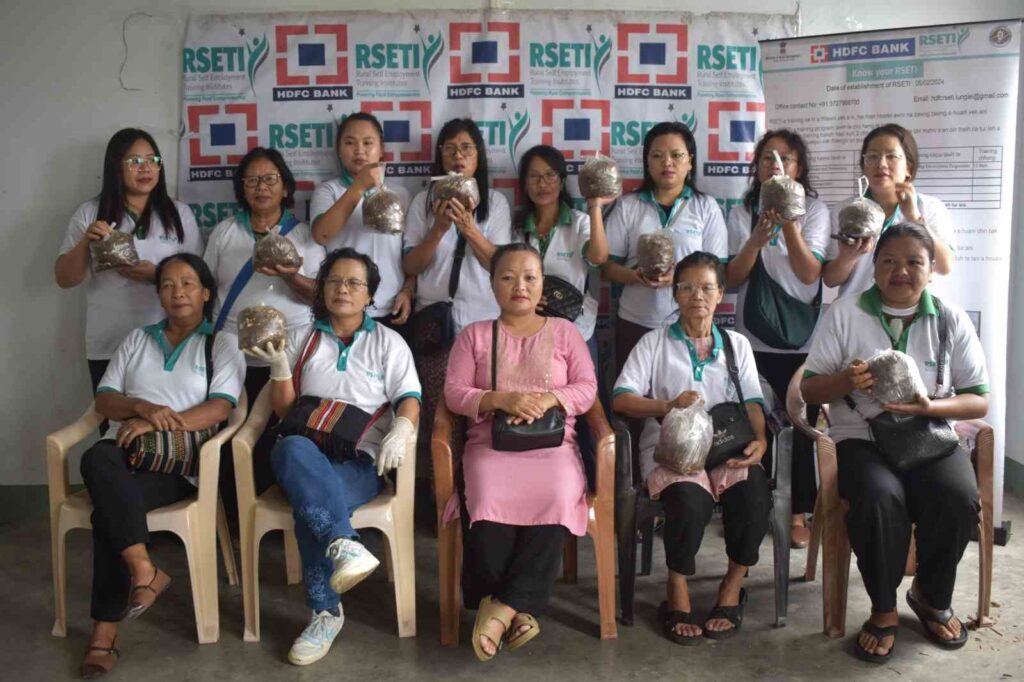
Beyond the Certificate
The certificate matters. It opened the door at LUPIN, at Motherson Sumi, at Shriram Finance, at Paras Hospital.
But the certificate is not the story.
The story is Digeswari’s salary slip, which now exceeds what her family of seven earned in an entire year. It is Shasmita’s family seeing her not as a daughter to be settled but as the person they rely on. It is Bharati walking into a corporate building without the quiet doubt she carried before — because training gave her something no amount of determination alone could produce: the specific, verified competency that an employer needed and was willing to pay for.
Skill training does not just change what a woman does. It changes what her family believes she is capable of. It changes what the girl next door grows up thinking is possible for someone who looks like her.
Across 29 states and 18 years, Orion Educational Society has seen that change happen more than 1,37,000 times. These ten women are ten of those times.
To learn more about OES’s women empowerment programmes, explore our Women Empowerment Programme page. To partner with OES for CSR-funded skill training for women, visit our Partnership.
Frequently Asked Questions
What vocational courses are available for rural women in India through NGOs like OES?
OES offers NCVET and NSDC-aligned vocational courses including Micro Finance Executive, Customer Care Executive, General Duty Assistant, Front Office Associate, Line Assembly, Basic Computer, and Search Engine Marketing. Courses are delivered through community-level centres across 29 states, with sector selection based on local employer demand rather than standardised national modules that may not reflect what hiring managers in a given area actually need.
Do women placed through OES skill training actually retain their jobs?
Retention is tracked through post-placement follow-up for a minimum of 90 days. The employers cited in this article — LUPIN Limited, Motherson Sumi, Paras Hospital, Reliance Smart Point — are large organisations with formal employment contracts and HR systems. Placements of this quality are structurally more stable than informal or piece-rate work, and OES’s follow-up process addresses early dropout risk directly.
Can women with family responsibilities join OES skill training programmes?
Yes. OES centres are located within or near the communities they serve, specifically to reduce commute barriers for women managing household responsibilities. Programme timings and durations are designed with first-generation female workers in mind. Family engagement is built into the mobilisation process — particularly in rural and semi-urban settings where family permission is often the deciding factor in whether a woman can enrol.
What government schemes support women’s skill development in India?
Key schemes include Deen Dayal Upadhyaya Grameen Kaushalya Yojana (DDU-GKY), which targets rural youth including women with placement-linked training; Jan Shikshan Sansthan (JSS) for non-literates and school dropouts; and PMKVY 4.0, covering 38 sectors across 36 states. OES works within several of these frameworks as an implementing partner, alongside CSR-funded programmes like SBI Foundation’s LEAP and HDFC Bank Parivartan.
How can a company fund women’s skill training through CSR?
Skill development for women is explicitly covered under Schedule VII Item (ii) of the Companies Act, 2013. Companies can partner with OES as a CSR-1 registered, NCVET-recognised, NSDC-empanelled implementing partner. OES provides programme design, community mobilisation, training delivery, placement, and quarterly impact documentation with verified outcome data.