If you have recently come across the term “NCVET Awarding Body” on a certificate, a training brochure, or a company’s CSR report you are not alone in wondering what it actually means.
The phrase sounds technical. In practice, it describes something straightforward and important: an organisation that has been officially authorised by the Government of India to design, assess, and certify vocational qualifications.
This guide explains what NCVET is, what an Awarding Body does, why the distinction matters for students and employers, and how the certification process works in India’s skilling ecosystem.
Table of Contents

What is NCVET?
NCVET stands for the National Council for Vocational Education and Training.
It was established on 5 December 2018 by the Government of India through the Ministry of Skill Development and Entrepreneurship (MSDE). NCVET became fully operational in August 2020. It functions as the apex regulator for India’s entire vocational education and training (VET) ecosystem.
Before NCVET existed, India’s vocational training sector was overseen by multiple bodies the National Skill Development Agency (NSDA), the erstwhile National Council of Vocational Training (NCVT), and various other regulators. Each operated with different norms, different quality standards, and different certification formats. The result was a fragmented system where a certificate from one agency was not always recognised by employers or institutions working with another.
NCVET was created to fix this. Its mandate is to integrate that fragmented system, set uniform standards, and ensure that every vocational qualification issued in India carries genuine, verifiable credibility.
Think of it as India’s quality regulator for skill certifications the way a food safety authority sets standards for what goes on your plate, NCVET sets standards for what goes on a skill certificate.
Why Was NCVET Created?
India has one of the largest working-age populations in the world. But as of 2025, less than 5% of that workforce has received any formal vocational training.
Part of the reason is structural. For years, the vocational training sector lacked a unified framework. Hundreds of training programmes operated under different ministries, state governments, and private bodies each issuing certifications that meant different things to different employers.
A student completing a hospitality course in one state had no guarantee that their certificate would be recognised in another. An employer in Mumbai hiring from a skill programme in Odisha had no reliable way to assess the quality of the training behind the certificate.
NCVET was created to solve exactly this problem. By regulating Awarding Bodies and Assessment Agencies under a single national framework the National Skills Qualification Framework (NSQF) it gives both learners and employers a consistent, trustworthy reference point for vocational qualifications across India.
What is an Awarding Body?
An Awarding Body is an organisation that has been formally recognised by NCVET to award vocational certificates.
But the role goes further than simply issuing documents. A recognised Awarding Body is responsible for:
- Designing qualifications that align with real industry requirements
- Ensuring training content meets NSQF standards
- Approving and affiliating training partners and centres
- Overseeing fair, credible assessment of learners
- Issuing certificates to learners who successfully complete training and assessment
- Maintaining quality controls across its entire network of training partners
In simple terms: if NCVET is the regulator that sets the rules, an Awarding Body is the recognised institution that implements those rules and takes responsibility for the quality of every certificate it issues.
NCVET recognises Awarding Bodies in two categories. A Standard Awarding Body awards certificates for approved qualifications delivered through affiliated training partners. A Dual Category Awarding Body can also train, assess, and certify learners directly in its own managed centres.
How Does an Awarding Body Differ From a Training Provider?
This is one of the most common points of confusion and it matters.
A training provider runs the classes. An Awarding Body sets the standards, oversees the assessment, and issues the certification.
They are different roles, though the same organisation can perform both under certain NCVET categories.
| Training Provider | NCVET Awarding Body | |
|---|---|---|
| Primary role | Delivers the training programme | Designs qualifications and certifies learners |
| Who oversees quality? | The Awarding Body it is affiliated to | NCVET — the national regulator |
| Can issue certificates? | No | Yes — for approved qualifications |
| NSQF alignment | Must follow the Awarding Body’s framework | Directly responsible for NSQF compliance |
| Accountability level | Programme-level | National regulatory level |
| Example | A local skill centre running a retail training batch | An NCVET-recognised body like OES that affiliates the centre and certifies its learners |
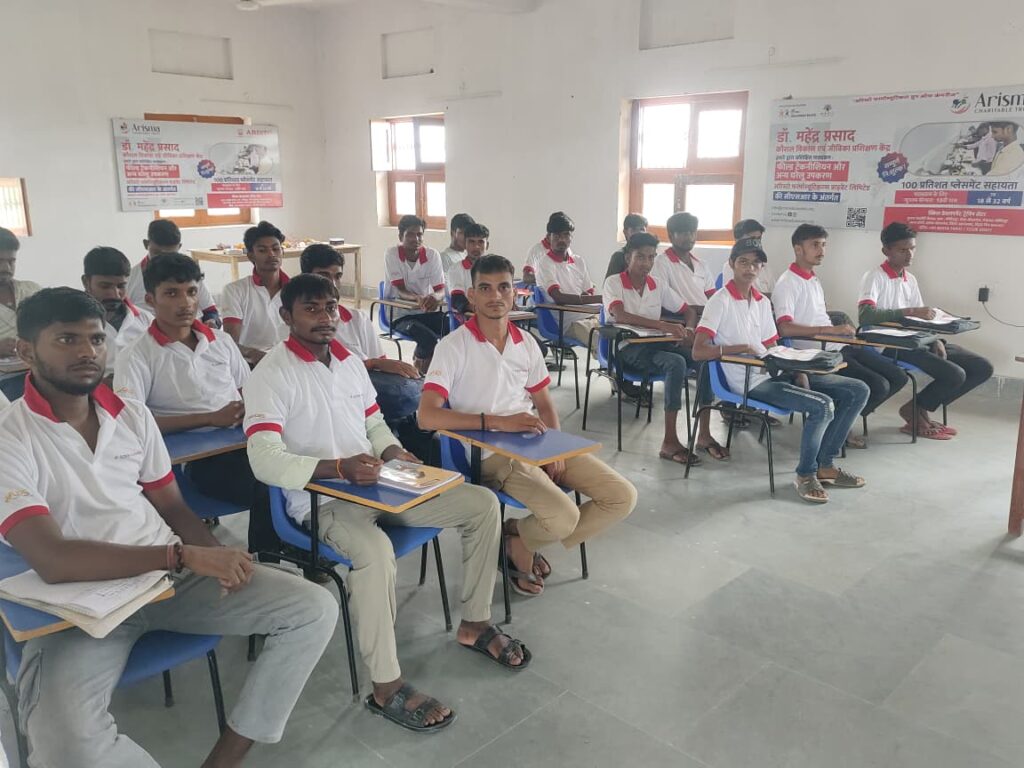
A training centre that is not affiliated with an NCVET Awarding Body cannot issue nationally recognised certificates on its own. Its learners may complete a good programme but the certification they receive may carry no formal standing with employers or institutions.
What Does an NCVET Awarding Body Actually Do?
The day-to-day work of an Awarding Body is more involved than most people realise.
- Qualification design. The Awarding Body develops qualifications that reflect what industry actually needs from workers in a given role. These qualifications must align with the NSQF level descriptors a national framework that defines the knowledge, skills, and competencies expected at each level, from entry-level trades to advanced technical roles.
- Training partner affiliation. The Awarding Body reviews and approves training centres that want to deliver its qualifications. This includes assessing infrastructure, trainer qualifications, equipment, and learning environments not just paperwork.
- Assessment oversight. Assessment under an NCVET Awarding Body must be conducted by recognised Assessment Agencies independent bodies that evaluate learners against objective, standardised criteria. The Awarding Body is responsible for onboarding those agencies and ensuring the integrity of every assessment conducted under its qualifications.
- Certification. Once a learner passes their assessment, the Awarding Body issues the certificate. That certificate carries the Awarding Body’s recognition and, by extension, NCVET’s regulatory backing.
- Ongoing quality assurance. The relationship does not end at certification. Awarding Bodies monitor their affiliated training partners on a continuing basis, track outcome data, and report to NCVET on programme quality.
What is the NSQF and Why Does It Matter?
The National Skills Qualification Framework (NSQF) is India’s national system for organising vocational qualifications.
Notified by the Government of India in 2013 and updated in 2023, the NSQF arranges all qualifications whether from formal education, vocational training, or prior learning into ten levels based on the complexity of knowledge, skills, and responsibility involved.
Level 1 represents the most foundational competencies. Level 10 represents the highest professional and technical expertise.
Every qualification issued by an NCVET Awarding Body must be aligned to an appropriate NSQF level. This creates a nationally consistent language for skills one that employers across India can read and trust, regardless of which sector the certificate is from.
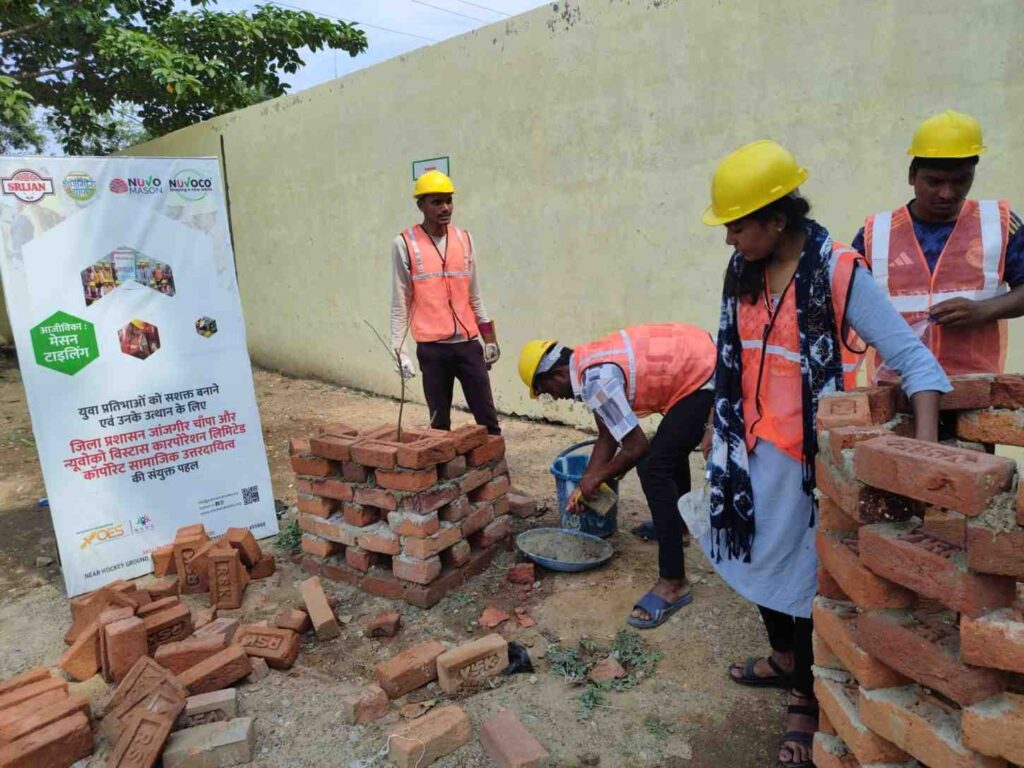
The NSQF also enables progression. A learner who earns an NSQF Level 3 certificate in retail can build toward Level 4 qualifications in the same sector, or use their credits toward related qualifications in a different field. This turns a single course into a step in a longer career pathway not a dead end.
Why Should Students Care?
When you invest time and money into vocational training, the certificate at the end needs to mean something.
A qualification issued by an NCVET Awarding Body is:
- Nationally recognised accepted by employers and institutions across India, not just in one state or sector
- NSQF-aligned which means it sits within a framework that both employers and higher education institutions understand
- Independently assessed your competence was evaluated by a body with no stake in passing or failing you
- Formally auditable if an employer or institution wants to verify your certificate, there is a regulatory trail behind it
Beyond recognition, an NSQF-aligned certificate opens doors that informal or unrecognised qualifications cannot. Several government schemes, apprenticeship programmes, and industry hiring processes require candidates to hold qualifications at a specific NSQF level. Without that, an otherwise capable candidate may be screened out before the interview stage.
If you are considering a vocational training programme, ask the training centre one direct question: which NCVET Awarding Body has affiliated this programme? If they cannot answer clearly, that is important information.
Why Should Employers Care?
For HR teams, factory managers, hospitality operators, or any business that hires vocationally trained workers, NCVET recognition offers something practical: a quality filter you did not have to build yourself.
When a candidate presents an NCVET-backed certificate, you can reasonably expect:
- The training content was designed to meet industry standards not assembled by a centre trying to fill batches
- The learner’s skills were assessed by an independent, regulated agency not by the same organisation that trained them
- The qualification level corresponds to an NSQF level giving you a benchmark for the role you need to fill
| NCVET-Certified Qualification | Non-Standard Certification | |
|---|---|---|
| Regulatory backing | NCVET — Government of India | None or unverified |
| Assessment independence | Conducted by a recognised Assessment Agency | May be assessed by the same training provider |
| NSQF alignment | Mandatory | Not required |
| National portability | Recognised across India | Limited — may only carry local credibility |
| Employer verification | Possible through NCVET systems | Often not possible |
| Quality accountability | Awarding Body is accountable to NCVET | No regulatory accountability |
For employers investing in CSR-funded training programmes or building recruitment pipelines with training partners, working with NCVET-affiliated programmes means the output your future workforce, has been trained and certified to a verifiable national standard.
How NCVET Certification Improves Employability
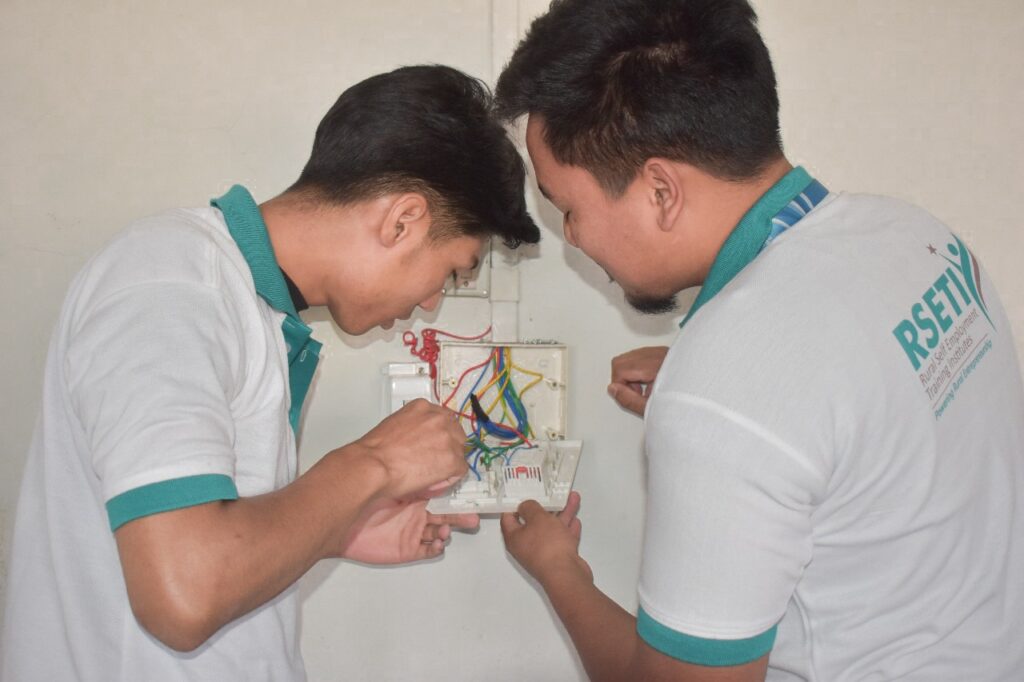
A certification is not a guarantee of employment. But a credible, nationally recognised certification significantly improves a candidate’s standing in the job market.
Here is what changes when a learner holds an NCVET-backed qualification:
- Employers can verify the certificate through established channels, which builds confidence in the hiring decision
- The learner can articulate their skills using the NSQF level framework, a common language that professional HR teams recognise
- The certificate counts as a formal qualification for government scheme eligibility, apprenticeship registration, and further education pathways
- For women and rural youth re-entering the workforce after a gap, a nationally recognised certificate provides an objective credential that their experience alone cannot
The difference between a certificate that employers trust and one they ignore is not always visible on the document itself. It lives in the system behind it, the Awarding Body’s quality controls, the Assessment Agency’s independence, and NCVET’s regulatory oversight.
Where Does OES Fit?
Orion Educational Society (OES) is one of a limited number of organisations in India formally recognised by NCVET as an Awarding Body.
This recognition authorises OES to design NSQF-aligned qualifications, affiliate training centres across India, oversee learner assessment through recognised Assessment Agencies, and issue nationally valid certificates to candidates who successfully complete their programmes.
OES has operated in the skill development space since 2006, eighteen years before many organisations in the sector had defined internal quality systems. Its training network spans 29 states and more than 100 centres, covering sectors including hospitality, retail, BFSI, beauty and wellness, IT literacy, and construction trades.
NCVET Awarding Body status is not a branding exercise. It involves a formal application process, regulatory scrutiny, ongoing compliance obligations, and the accountability that comes with issuing certificates that carry national standing. For training centres and institutions that affiliate with OES, this means their learners receive qualifications that employers across India can verify, qualifications that carry the weight of both OES’s 18-year field record and NCVET’s regulatory framework.
For students: this means your certificate means something beyond the centre where you studied.
For CSR partners and institutions: this means the programmes you fund produce verifiable, nationally credible outcomes.
Benefits of Choosing a Programme Affiliated With an NCVET Awarding Body
Whether you are a student choosing a vocational course, a training centre looking for affiliation, or a company designing a CSR skilling initiative, the practical benefits of working within the NCVET Awarding Body framework include:
- Credibility by design qualifications are built to meet national industry standards from the start, not adjusted after the fact
- Independent assessment learner evaluation is conducted by a third party with no interest in the training outcome
- Career mobility NSQF-aligned certificates are portable across states, sectors, and further education pathways
- Regulatory accountability both the Awarding Body and its affiliated training partners are subject to ongoing NCVET oversight
- Scheme eligibility many government employment and apprenticeship schemes require candidates to hold NSQF-aligned qualifications
- CSR compliance for companies funding skill training under Section 135 of the Companies Act, NCVET-affiliated programmes provide auditable, credible impact documentation
Common Misconceptions
“Any training centre can issue a nationally recognised certificate.” Not correct. Only organisations recognised as Awarding Bodies by NCVET can issue nationally valid vocational certificates. A training centre that is not affiliated with an NCVET Awarding Body cannot issue NSQF-aligned certifications on its own authority.
“NCVET certification is only relevant for government jobs.” Incorrect. NCVET-aligned qualifications are increasingly recognised by private sector employers, particularly in hospitality, retail, manufacturing, BFSI, and healthcare, because they provide an objective, nationally consistent skills benchmark that internal interviews alone cannot reliably produce.
“All skill certificates in India are the same.” They are not. Certificates vary significantly in the quality of the training behind them, the independence of the assessment, and the regulatory standing of the issuing organisation. An NCVET-backed certificate and a certificate from an unaffiliated local training centre may look similar on paper and carry very different weight in the job market.
“NCVET recognition is easy to obtain.” Recognition as an Awarding Body requires meeting stringent eligibility criteria, submitting to regulatory scrutiny, demonstrating capacity across curriculum design, assessment systems, and quality assurance, and maintaining ongoing compliance. Very few organisations in India hold this recognition.
A Final Note
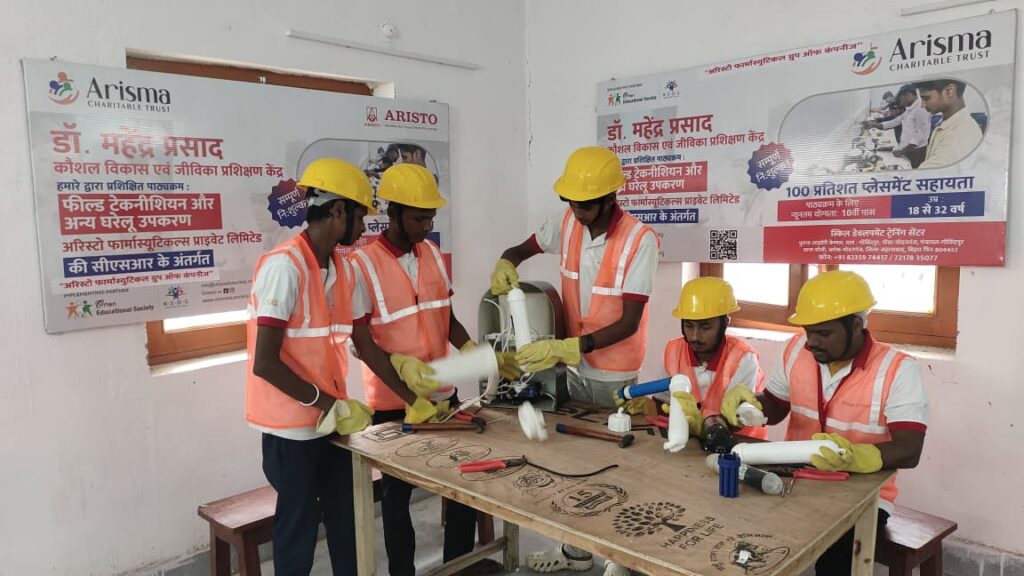
India’s vocational certification system is maturing rapidly. The regulatory architecture that NCVET represents, standardised qualifications, independent assessment, nationally portable credentials, is moving the sector away from a patchwork of unverifiable certificates toward a coherent framework that both learners and employers can trust.
For students, the practical implication is clear: the certification behind your training matters as much as the training itself. Choosing a programme affiliated with an NCVET Awarding Body is not about paperwork, it is about ensuring that the time and effort you invest results in a credential that opens real doors.
For employers and training partners, the value is equally practical. Working within the NCVET framework means your investment in skill development produces outcomes that can be measured, verified, and built on.
That is what a recognised Awarding Body makes possible.
To learn more about OES’s vocational programmes, NCVET-aligned qualifications, or partnership opportunities, visit our About OES page or explore our Training Programmes section.
What is the full form of NCVET?
NCVET stands for the National Council for Vocational Education and Training. It was established on 5 December 2018 by the Government of India under the Ministry of Skill Development and Entrepreneurship. NCVET functions as India’s apex regulator for the vocational education and training sector, overseeing Awarding Bodies, Assessment Agencies, and the overall quality of skill certification across the country.
What does it mean when a certificate says it is NCVET recognised?
An NCVET-recognised certificate means the qualification was issued by a body formally authorised by the national regulator. The training was delivered under an approved qualification aligned to the NSQF, assessment was conducted independently, and the certifying organisation is accountable to NCVET for its quality standards. It is the difference between a nationally credible credential and a locally issued document with no regulatory backing.
What is the difference between NCVET and NSDC?
NCVET is the regulatory body, it sets standards, recognises Awarding Bodies, and ensures quality across the system. NSDC (National Skill Development Corporation) is an implementation body, it funds, supports, and scales training programmes. Both operate under the Ministry of Skill Development and Entrepreneurship, but they serve different functions. An organisation can be both an NSDC partner and an NCVET Awarding Body.
What is NSQF and how does it relate to NCVET certification?
The National Skills Qualification Framework (NSQF) is India’s competency-based framework that organises all qualifications into ten levels by knowledge, skill, and aptitude. Every qualification issued by an NCVET Awarding Body must be aligned to an NSQF level. This alignment is what makes the certificate nationally portable and recognised across employers, institutions, and government schemes.
Can a training centre issue NCVET certificates on its own?
No. A training centre that is not affiliated with a recognised NCVET Awarding Body cannot issue nationally valid vocational certificates independently. The certificate must be issued by the Awarding Body that has approved and affiliated the centre. This is one of the key distinctions between regulated and unregulated certification in India’s skill training market.
Why do some employers specifically ask for NCVET-certified candidates?
Employers who request NCVET certification do so because it provides a standardised, verifiable skills benchmark. It tells them the candidate’s competencies were assessed independently, not by the same body that trained them, and that the training content met national industry standards. For high-volume hiring in sectors like hospitality, retail, and manufacturing, this significantly reduces the cost and uncertainty of screening.
How does OES function as an NCVET Awarding Body?
OES designs NSQF-aligned qualifications across its approved sectors, affiliates and monitors training centres that deliver those qualifications, oversees learner assessment through recognised Assessment Agencies, and issues certificates to learners who complete training and assessment successfully. This means every OES certificate issued to a learner is backed by NCVET’s regulatory framework and OES’s 18 years of quality implementation experience.
Is an NCVET certificate useful for getting into higher education?
Yes. The NSQF framework is aligned with the National Credit Framework (NCrF), which means NSQF-level qualifications can count toward credits in formal higher education pathways. This is particularly significant for vocational learners from rural or first-generation backgrounds who want to continue their education, their skill certification is not a dead end but a recognised step in a broader learning journey.